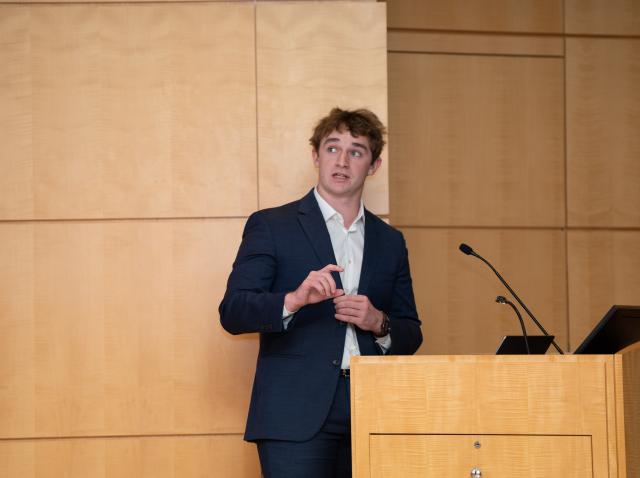
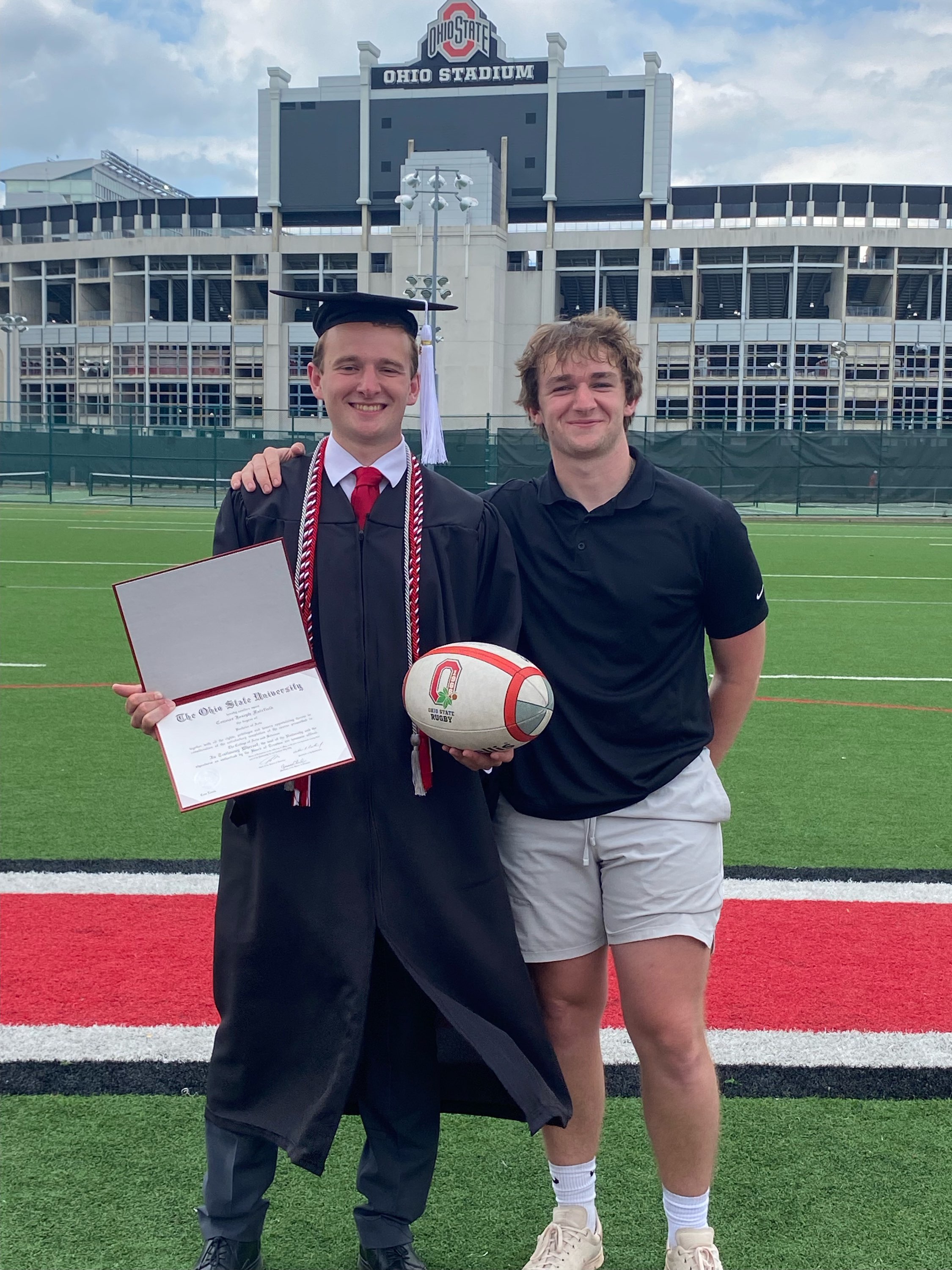
Fueled by passion and dedication, Ohio State senior Ian Fairfield has built his undergraduate experience around a commitment to service, research, and leadership driven by a desire to make a meaningful impact on both individuals and systems.
That commitment took root early. In high school, Fairfield was deeply involved in service and leadership, which led him to join Mount Leadership Society Scholars alongside a close friend.
“Mount stood out to us as a community grounded in social change and servant leadership,” Fairfield says. “We believed it would support our goals of making a meaningful impact beyond the classroom.”
As a first-year student at Ohio State, he organized and executed a service initiative in coordination with the Ronald McDonald House, supporting children and their families undergoing lengthy medical treatments away from home. During his sophomore year, Fairfield took on an individual Mount Scholars project at the Wexner Medical Center, volunteering in the Surgical Intensive Care Unit and providing support to patients, families, and staff.
“As someone who grew up with a parent who underwent 13 surgeries, it was an impactful experience to be providing support to people who were where I had once been.”
Fairfield says, “These experiences grounded my academic and professional goals in service and advocacy, emphasizing the importance of supporting individuals while also working to improve the systems that serve them. These experiences also reinforced my commitment to patient-centered care.”
Beyond service work, Fairfield found that Honors and Scholars offered a rare combination of academic opportunity, service, mentorship, and leadership that shaped Fairfield as a student and as a person.
Sophomore year, when Fairfield was introduced to Honors, he initially saw benefits such as priority scheduling. Initially drawn to Honors for practical benefits such as priority scheduling, he soon discovered opportunities that far exceeded expectations. Through an Honors course, Fairfield met his mentor, Professor Steven Huefner.
“Steven’s guidance was instrumental in helping me consider the role law and policy had in shaping scientific research and healthcare systems.”
Honors also provided increased access to research opportunities and individualized academic advising that closely aligned with his evolving academic and professional goals.
“I was introduced to my first undergraduate research seminar, which directly led to my initial research placement on campus,” says Fairfield.
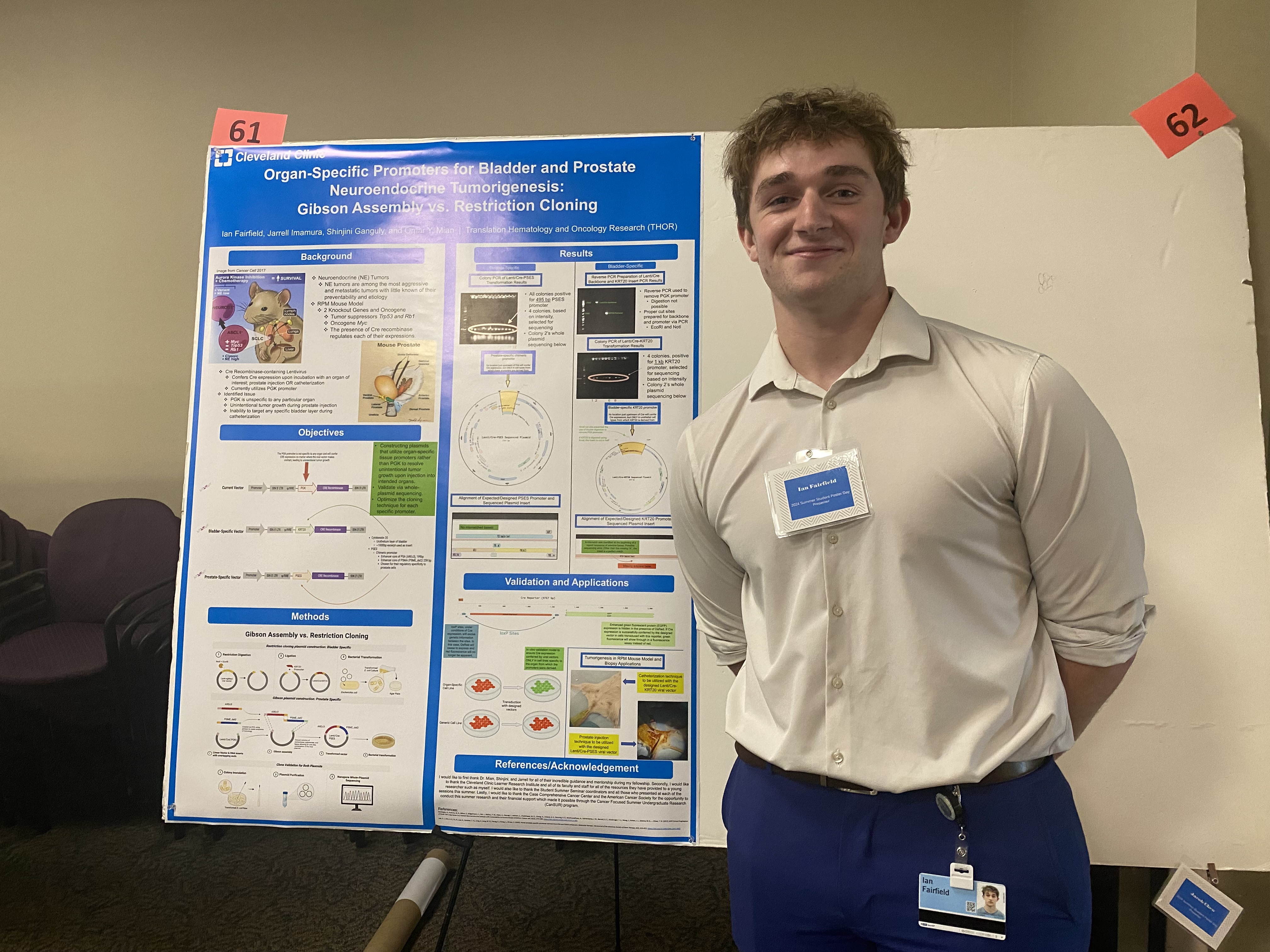
“That early exposure to research set the foundation for my continued involvement in neuroscience and cancer biology and ultimately played a critical role in my acceptance into a competitive summer research fellowship through Case Western Reserve University.
Supported by the Second-year Transformational Experience Program (STEP), Fairfield’s project focused on developing viral vectors. At the same time, his role as an American Cancer Society advocacy scholar allowed him to interview patients, survivors, and community members.
Passionate about research, Fairfield served as an Undergraduate Student Advisor for the Office of Undergraduate Research and Creative Inquiry. In the role, he helped demystify research pathways for students who may not initially see themselves as researchers. “I learned how powerful mentorship can be,” he reflects. “Sometimes students just need someone to help them see what’s possible.”
His involvement with Honors and Scholars extended beyond academics. Fairfield worked as an Undergraduate Student Assistant at the Kuhn Honors and Scholars House and served as a student representative on the Honors and Scholars Faculty Advisory Committee. These roles provided him with insight into how university programs operate behind the scenes and how student voices can impact institutional decisions.
“My goal was to bring a student perspective to conversations about what works well and what could be improved,” he says. “It taught me how meaningful collaboration can be when students are treated as partners in shaping their education.”
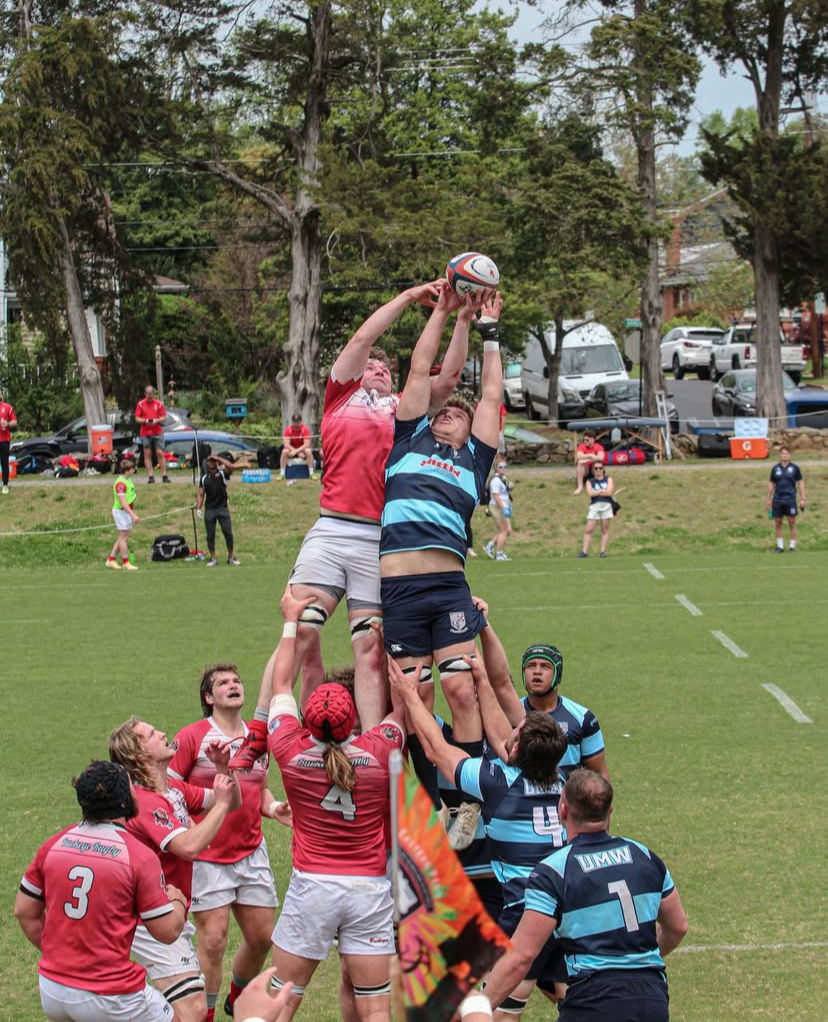
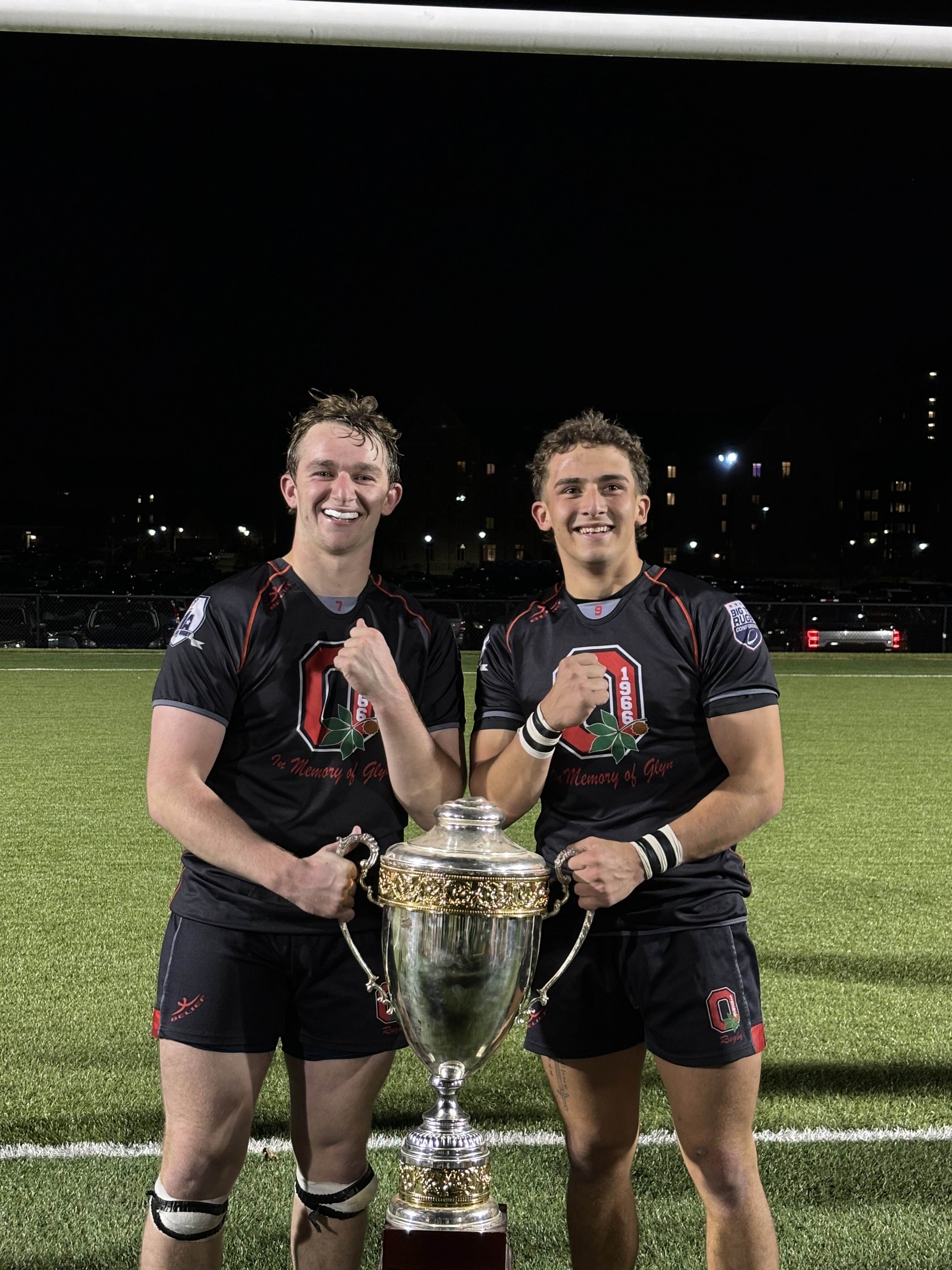
Outside the classroom and workplace, Fairfield found balance and resilience through rugby. As a member of Ohio State’s rugby team, he developed teamwork skills and mental toughness that complemented his academic pursuits. The sport, he says, provided an important outlet and reminded him of the value of perseverance and shared responsibility
Fairfield credits his student assistant role with exposing him to new opportunities across campus. “I learned so much just from talking with my coworkers,” he says. “My plan to attend Moritz College of Law likely wouldn’t have happened if my coworker, Ella, hadn’t told me about Ohio State’s combined medical and law pathway.”
I hope to pursue a path where I can contribute both through direct patient care and through thoughtful engagement with the broader structures that influence health, equity, and opportunity.”
Fairfield’s experiences at Ohio State have shown him that meaningful change in healthcare happens at the intersection of science, service, and policy. With plans to begin law school this fall and the goal of pursuing a dual degree in medicine and law, Fairfield is preparing to address healthcare challenges both at the bedside and at the systems level. Guided by a commitment to service and advocacy, Fairfield’s journey reflects the opportunities made possible through Ohio State’s emphasis on research, leadership, and interdisciplinary learning.